
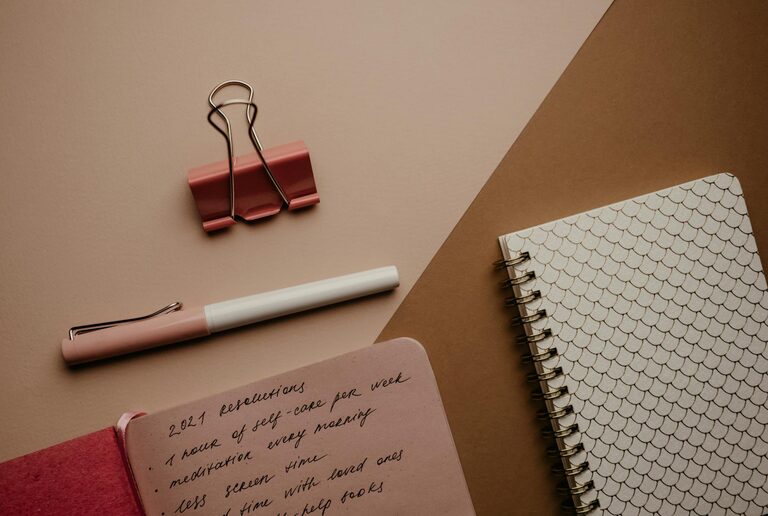
Choosing the right notebook can make a big difference in how much you use and enjoy it. Whether you want to jot down ideas, keep a planner, or simply doodle, finding a notebook that suits your habits is key. In this post, we’ll walk you through how to pick a notebook you’ll actually use, so it becomes a helpful companion rather than just another unused item gathering dust.
Understand Your Purpose
Before diving into styles and features, think about what you want to use your notebook for. Different needs require different types of notebooks.
Common Notebook Uses
– Daily journaling: Recording thoughts, reflections, or gratitude.
– Work notes: Meeting minutes, project tracking, brainstorming.
– Creative writing: Drafting stories, poetry, or ideas.
– Planning and organization: To-do lists, calendars, goal setting.
– Sketching and doodling: Drawing, mind maps, or design work.
Knowing your primary purpose helps narrow down the size, layout, and durability you should look for.
Consider the Size and Portability
Notebooks come in many sizes, from small pocket-sized to large sketchbooks. Think about where and how you’ll use it.
Small Notebooks (A6 or smaller)
– Very portable and easy to carry everywhere
– Ideal for quick notes or on-the-go journaling
– May have limited writing space, so better for brief entries
Medium Notebooks (A5 size)
– Balanced size for portability and writing space
– Popular for planners, work notes, and casual journaling
– Fits well in backpacks, purses, or briefcases
Large Notebooks (A4 or bigger)
– Great for detailed notes, extensive writing, or sketching
– Less portable, best kept on a desk or in a specific workspace
Ask yourself if you want a notebook to travel with you or stay mostly at home or work.
Choose the Right Paper Type and Layout
The paper quality and page layout impact your writing experience and the notebook’s suitability for different tasks.
Paper Quality
– Weight: Heavier paper (80-100 gsm or more) is thicker and better for ink-heavy use or marker pens, reducing bleed-through.
– Texture: Smooth paper feels nice for pen; rougher texture is better for pencils and some markers.
– Color: Most notebooks have white or cream paper. Cream is easier on the eyes for long writing sessions.
Page Layouts
– Lined: Best for general writing, journaling, and note-taking.
– Blank: Ideal for sketching, creative freedom, and mind mapping.
– Dotted: A versatile choice combining structure and creativity, great for bullet journaling.
– Grid: Useful for technical notes, diagrams, or planning layouts.
Try out different styles to see what feels comfortable and suits your task.
Cover Material and Durability
The notebook’s cover protects your pages and influences how portable and long-lasting it is.
Cover Types
– Softcover: Lightweight and flexible; easy to carry but less protective.
– Hardcover: More durable and rigid; protects pages seriously but can be heavier.
– Leather or faux leather: Adds a classic aesthetic and extra durability.
– Fabric-covered or cardboard: Often stylish and eco-friendly but less robust.
Consider how rough your handling will be. A durable cover can be worth the extra weight if you carry your notebook everywhere.
Binding Options and Their Impact
The way your notebook is bound affects how it opens and how comfortable it is to write in.
Common Binding Types
– Sewn or stitched binding: Strong and allows the notebook to lay flat; ideal for heavy use.
– Spiral or wire-o binding: Lets the notebook fold back on itself, great for writing on the go.
– Glue-bound (perfect binding): Looks neat but may not lay flat easily; watch for pages falling out over time.
– Disc binding: Modular, enabling easy removal and reorganization of pages.
Think about your preferred writing posture and whether you want to add or remove pages while using it.
Additional Features to Look For
Some notebooks come with extras that can enhance your user experience.
Useful Extras
– Page numbers: Handy for quickly referencing notes.
– Index or table of contents: Helps with organization.
– Pocket folder inside: Great for storing scraps, receipts, or notes.
– Ribbon or elastic closure: Keeps your notebook securely closed.
– Perforated pages: For easy removal and sharing of notes.
– Pen holder: Avoids losing your pen and encourages regular use.
Decide which features you would find genuinely helpful instead of overwhelming.
Test Before You Commit
If possible, visit a stationery store to feel notebooks in person. Flip through pages, write a few lines, and carry it around to sense whether it fits your style.
If you’re ordering online, check return policies and reviews. Many stationery communities share insights and photos that might help you make a better choice.
Make It Personal and Enjoyable
Finally, remember that a notebook is more than just paper. Choose something that visually appeals to you, whether it’s the color, design, or even the scent. A notebook that sparks joy will motivate you to use it regularly.
You can also personalize your notebook with stickers, washi tape, or drawings. Making it your own space encourages consistent use.
Summary Checklist for Choosing Your Notebook
– Define your notebook’s purpose
– Choose a size that fits your lifestyle
– Pick paper type and layout suited to your tasks and tools
– Consider cover durability based on your usage
– Select a binding style for writing comfort
– Look for extras that enhance your workflow
– Test the notebook if possible
– Personalize to make it enjoyable
By taking a little time to choose the right notebook, you set yourself up for clearer thoughts, better organization, and a habit that lasts. Happy writing!