
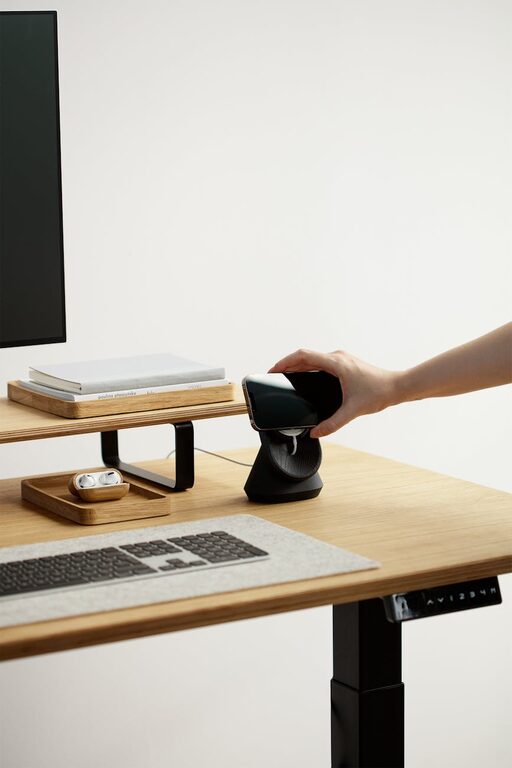
Creating a relaxing home workspace is essential for anyone working or studying from home. A well-designed space can help you stay focused, feel calm, and improve your overall productivity. In this post, we’ll explore practical tips to transform any corner of your home into a soothing work area.
Why a Relaxing Workspace Matters
Your environment influences how you feel and perform during work hours. A cluttered, noisy, or uncomfortable space can lead to distractions and stress. On the other hand, a relaxing workspace promotes mental clarity, reduces anxiety, and encourages a steady workflow. Whether you have a dedicated room or just a small nook, setting up your workspace thoughtfully makes a big difference.
Step 1: Choose the Right Location
Start by picking a spot in your home that minimizes interruptions and distractions.
– Natural light: Place your desk near a window if possible. Natural light helps improve mood and alertness.
– Quiet area: Find a space that is away from high-traffic zones or noisy appliances.
– Space for essentials: Make sure there’s enough room for your desk, chair, and storage to keep things organized.
Step 2: Invest in Comfortable Furniture
Comfort is key to maintaining focus during long hours.
– Ergonomic chair: Choose a chair that supports your back and encourages good posture.
– Appropriate desk: Pick a desk with enough surface area for your computer, notes, and other work items.
– Adjustable setup: Consider a sit-stand desk or accessories like keyboard trays to reduce strain.
Step 3: Declutter and Organize
A messy space can be mentally draining.
– Clear surfaces: Keep your desk free of unnecessary items.
– Use storage solutions: Drawers, shelves, or boxes help keep paperwork and supplies tidy.
– Cable management: Use clips or sleeves to organize cables and prevent tangles.
Step 4: Personalize with Calming Elements
Adding personal touches can make your workspace feel inviting and stress-free.
– Plants: Indoor plants improve air quality and add a touch of nature.
– Colors: Choose soothing colors like soft blues, greens, or neutrals for walls or accessories.
– Artwork: Hang inspiring or peaceful artwork to boost your mood.
– Lighting: Use warm, adjustable lighting rather than harsh fluorescents.
Step 5: Minimize Noise and Distractions
Controlling sound is important for concentration.
– Noise-canceling headphones: These are great for blocking out background noise.
– Soft background music: If you prefer sound while working, try instrumental or nature sounds.
– Designate ‘work-only’ times: Communicate with family or housemates about your working hours to reduce interruptions.
Step 6: Create a Routine and Use Breaks Wisely
Even with a perfect space, routine helps maintain relaxation and productivity.
– Set consistent work hours: This helps your brain distinguish work time from personal time.
– Take breaks: Short breaks every hour can prevent burnout. Stretch, walk, or meditate briefly.
– Stay hydrated: Keep water nearby to stay refreshed.
Bonus Tips for a Relaxing Workspace
– Use scent: Aromatherapy with lavender or eucalyptus can enhance relaxation.
– Keep technology in check: Avoid non-work notifications and close unused apps to stay focused.
– Add a comfy spot: A small chair or cushion nearby invites short mental breaks.
Final Thoughts
Building a relaxing home workspace doesn’t require a major renovation. Small adjustments like choosing the right spot, adding comfortable furniture, and organizing your tools can significantly improve your workday experience. With a peaceful environment, you’ll find it easier to focus and feel motivated every day.
Take the time to personalize your workspace to what makes you feel calm and productive. Your mind and body will thank you for it!